
admin
- December 12, 2025
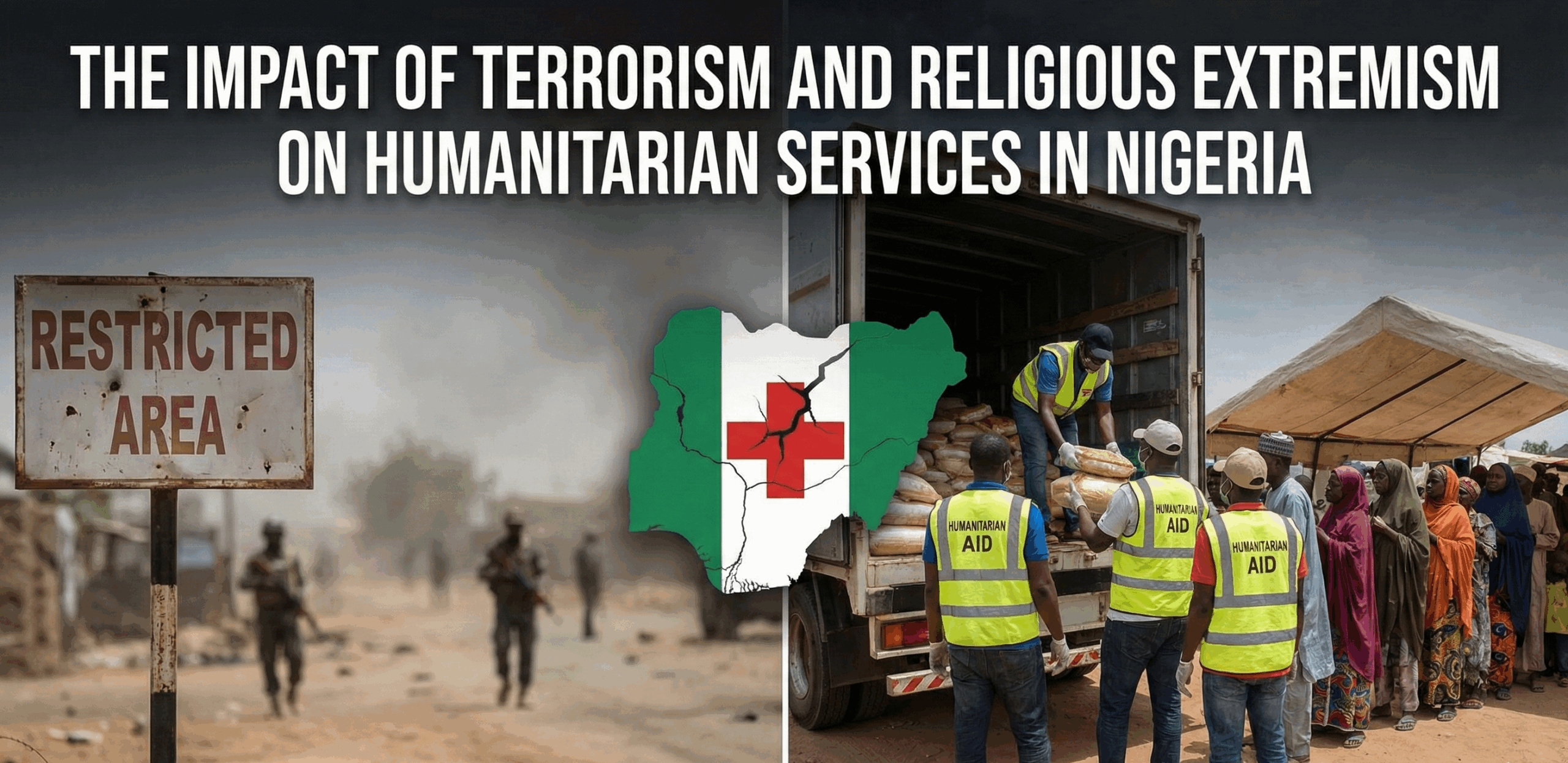
Nigeria, known for its rich cultural diversity and vibrant communities, has increasingly found itself grappling with the devastating effects of terrorism and religious extremism. Groups like Boko Haram and ISIS West Africa have turned the northeastern region of the country into a conflict zone, leading to a humanitarian crisis that affects millions. This blog explores how terrorism and religious extremism are impacting humanitarian services in Nigeria and underscores the urgent need for a comprehensive response.
The Landscape of Terrorism and Extremism in Nigeria
The rise of Boko Haram in the early 2000s marked a significant turning point in Nigeria’s security landscape. Initially focused on opposing Western education and influence, the group quickly escalated its tactics to include violent insurgency, targeting civilians, military personnel, and humanitarian workers. As a result, the conflict has led to widespread displacement, loss of life, and a dire need for humanitarian assistance.
Disruption of Humanitarian Access
One of the most significant impacts of terrorism and religious extremism on humanitarian services is the disruption of access to affected populations. Humanitarian organizations strive to deliver essential aid, but the threat of violence often makes it perilous for them to operate in conflict zones.
1. Violence Against Aid Workers: Humanitarian workers have become targets for extremist groups, facing threats of kidnapping and violence. Reports indicate that numerous aid workers have lost their lives while attempting to provide assistance in dangerous areas, leading to a chilling effect on humanitarian operations.
2. Restricted Movement: Extremist groups establish checkpoints and impose restrictions that hinder the movement of both aid workers and supplies. These barriers make it difficult for organizations to reach those in need, exacerbating the suffering of displaced individuals and communities.
Compromised Safety and Security
The safety of humanitarian workers is paramount for effective aid delivery. However, the climate of fear and violence created by terrorism and religious extremism severely compromises their ability to operate safely.
– Increased Casualties: The loss of skilled humanitarian professionals poses a serious challenge to aid delivery. Many organizations are forced to reduce their operations or withdraw entirely from conflict-affected areas, leaving vulnerable populations without critical support.
Erosion of Trust in Humanitarian Organizations
Terrorism and religious extremism can erode trust between humanitarian organizations and local communities. Extremist groups often spread propaganda that portrays aid workers as foreign agents with ulterior motives, leading to suspicion and hostility.
– Community Engagement: To counter these negative narratives, Dorothy Iselin humanitarian foundation (D’iselin Foundation) has actively engage with local communities. Building trust and demonstrating a commitment to impartial assistance are essential for effective aid delivery.
– Cultural Sensitivity and Understanding: Humanitarian organizations need to be culturally sensitive and respectful of local beliefs and practices. This understanding can foster collaboration and help dispel myths propagated by extremist groups.
Escalating Humanitarian Needs
The ongoing violence and instability have led to a growing humanitarian crisis in Nigeria. Millions of people are displaced and lack access to basic necessities such as food, clean water, healthcare, and education.
– Statistics Highlighting the Crisis: As of 2021, over 2 million people are internally displaced in Nigeria, with many living in overcrowded camps facing dire conditions. The United Nations estimates that approximately 8.7 million people in the northeastern region require humanitarian assistance, emphasizing the urgent need for support.
Resilience and Adaptation: Navigating Challenges
Despite the daunting challenges posed by terrorism and religious extremism, humanitarian organizations in Nigeria continue to adapt and innovate in their responses. Resilience is key to ensuring that aid reaches those who need it most.
– Risk Mitigation Strategies: Humanitarian organizations are increasingly implementing security protocols and risk assessment strategies to protect their staff while delivering aid. This includes training on safety measures and developing contingency plans.
– Collaborative Partnerships: Building partnerships with local organizations, governments, and international agencies can enhance the effectiveness of humanitarian responses. Collaborative approaches strengthen the collective capacity to address humanitarian needs amidst conflict.
– Advocacy for Support: Raising awareness about the impact of terrorism and religious extremism on humanitarian efforts is crucial. Advocacy initiatives can mobilize support from the international community to address the root causes of extremism and protect humanitarian workers.
Conclusion: A Call for Solidarity and Action
The impact of terrorism and religious extremism on humanitarian services in Nigeria is profound and multi-dimensional. As violence continues to disrupt lives and hinder aid efforts, it is imperative for individuals, communities, and governments to stand in solidarity with humanitarian workers and those they serve.
Supporting organizations committed to providing assistance and promoting peace is essential in creating a more stable and compassionate Nigeria. Together, we can work towards a future where humanitarian action is unhindered by violence and where every individual has access to the support and opportunities they deserve. By fostering a culture of understanding and collaboration, we can pave the way for healing, resilience, and a brighter future for all Nigerians